
HIKING PV Perovskite-PERC Tandem Cell Efficiency Reaches 24.5%

HIKING PV reports that its perovskite-PERC tandem cell reached 24.5% photoelectric conversion efficiency under the AM1.5 standard solar spectrum.

Key Facts

  • HIKING PV’s newly developed perovskite-PERC tandem cells reached 24.5% conversion efficiency.
  • The 24.5% photoelectric conversion efficiency is described under the AM1.5 standard solar spectrum.
  • The article references an earlier 23.5% efficiency breakthrough in December 2019.
  • The net photoelectric conversion rate increased by 1% within three months.
  • The result is presented as another record for perovskite crystalline silicon tandem cell technology.

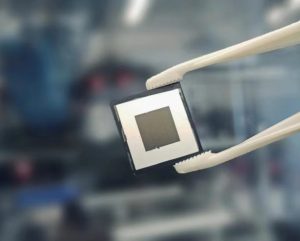
Perovskite-silicon tandem solar cell sample held with tweezers

Recently, Shenzhen HIKING PV Technology Co., Ltd. (hereinafter referred to as HIKING PV) announced that its newly developed perovskite-PERC tandem cells reached a new high. The photoelectric conversion efficiency reached 24.5% under the AM1.5 standard solar spectrum. In December 2019, HIKING PV made a breakthrough in perovskite-PERC tandem cells with 23.5% photoelectric conversion efficiency. Three months later, the company increased the net photoelectric conversion rate of perovskite crystalline silicon tandem cells by 1%, once again setting a new record for this technology.

FAQ

What efficiency did HIKING PV’s perovskite-PERC tandem cells reach?

The newly developed perovskite-PERC tandem cells reached 24.5% photoelectric conversion efficiency.

Under what spectrum condition is the 24.5% result described?

The 24.5% efficiency is described under the AM1.5 standard solar spectrum.

What earlier efficiency result is mentioned?

An earlier 23.5% photoelectric conversion efficiency breakthrough was reported in December 2019.

How much did the conversion rate improve?

The net photoelectric conversion rate increased by 1% within three months.

What technology does the article focus on?

The focus is perovskite-PERC and perovskite crystalline silicon tandem cell technology.