Power that follows the mission
Follow the light.
Power the skies.
Start with the wing. Explore tandem PV
as auxiliary power for lightweight aircraft.

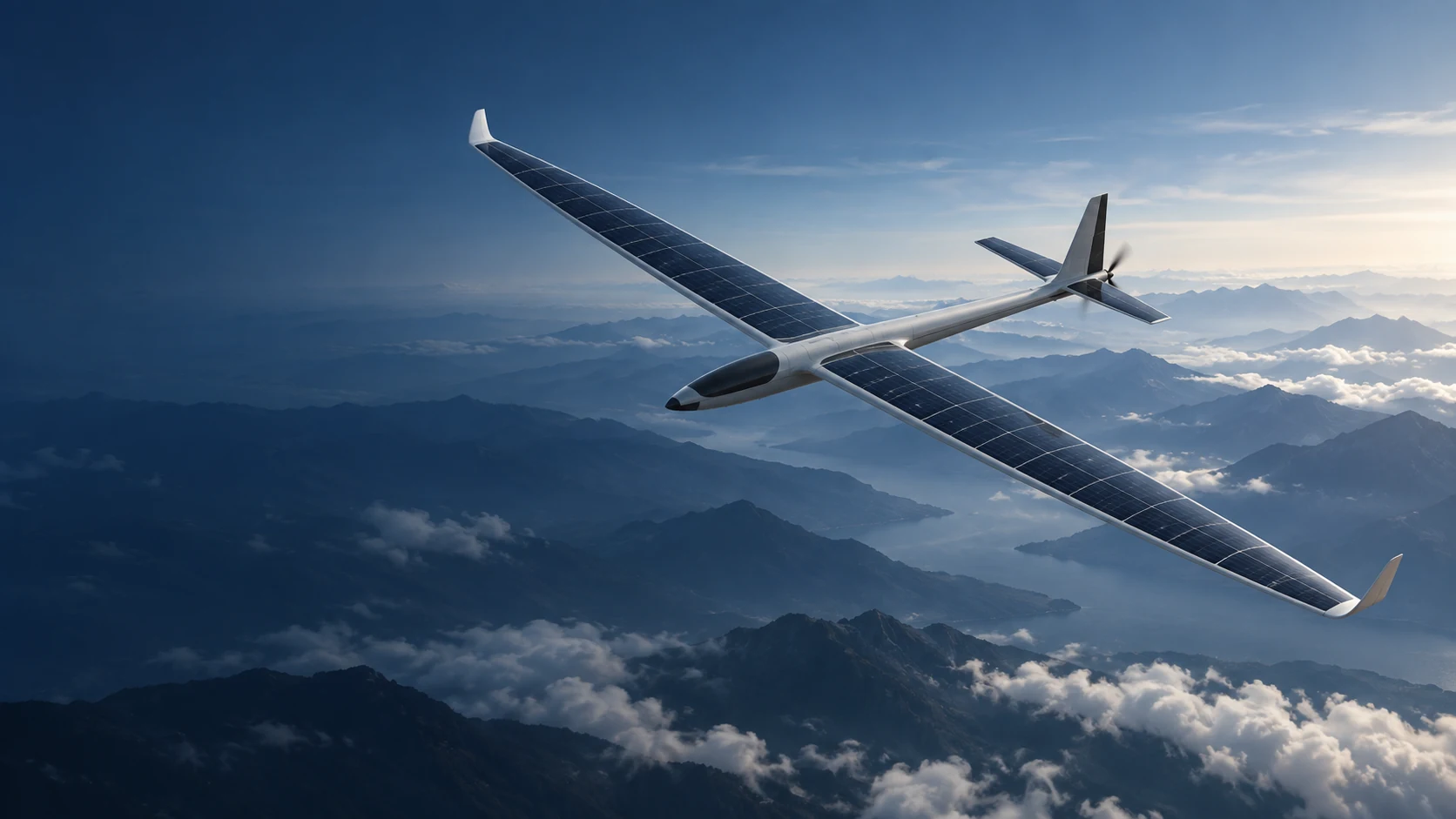
UAV PV applications
Fixed wing · Concept explorationPower that follows the mission
Start with the wing. Explore tandem PV
as auxiliary power for lightweight aircraft.
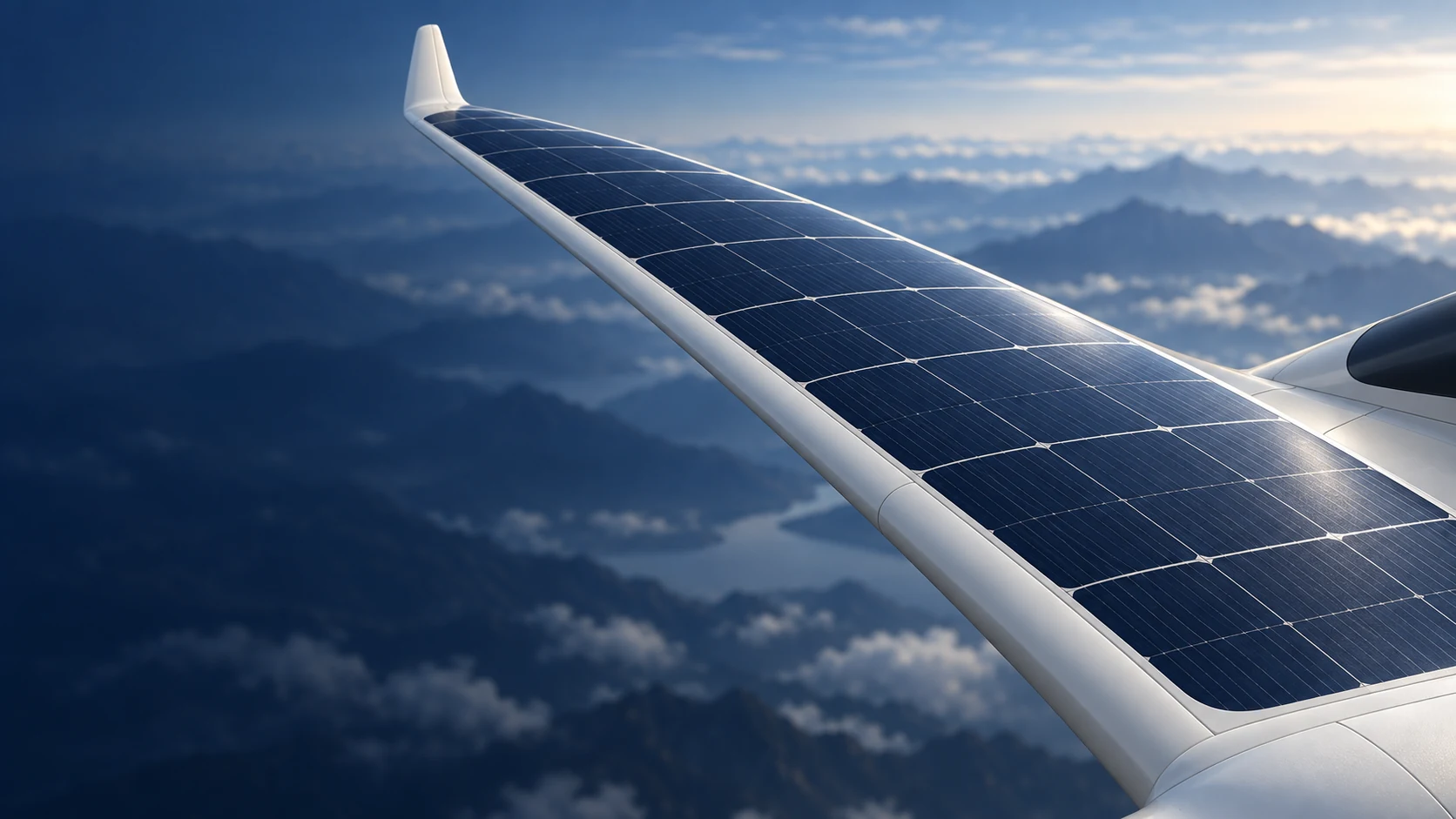
From flight to wing detail
PV integration goes beyond the cell surface.
Weight, structure and electrical systems must be considered together.
From energy concept to mission needs
Inspection, observation and research validation.
Design the power solution around the aircraft and its mission.
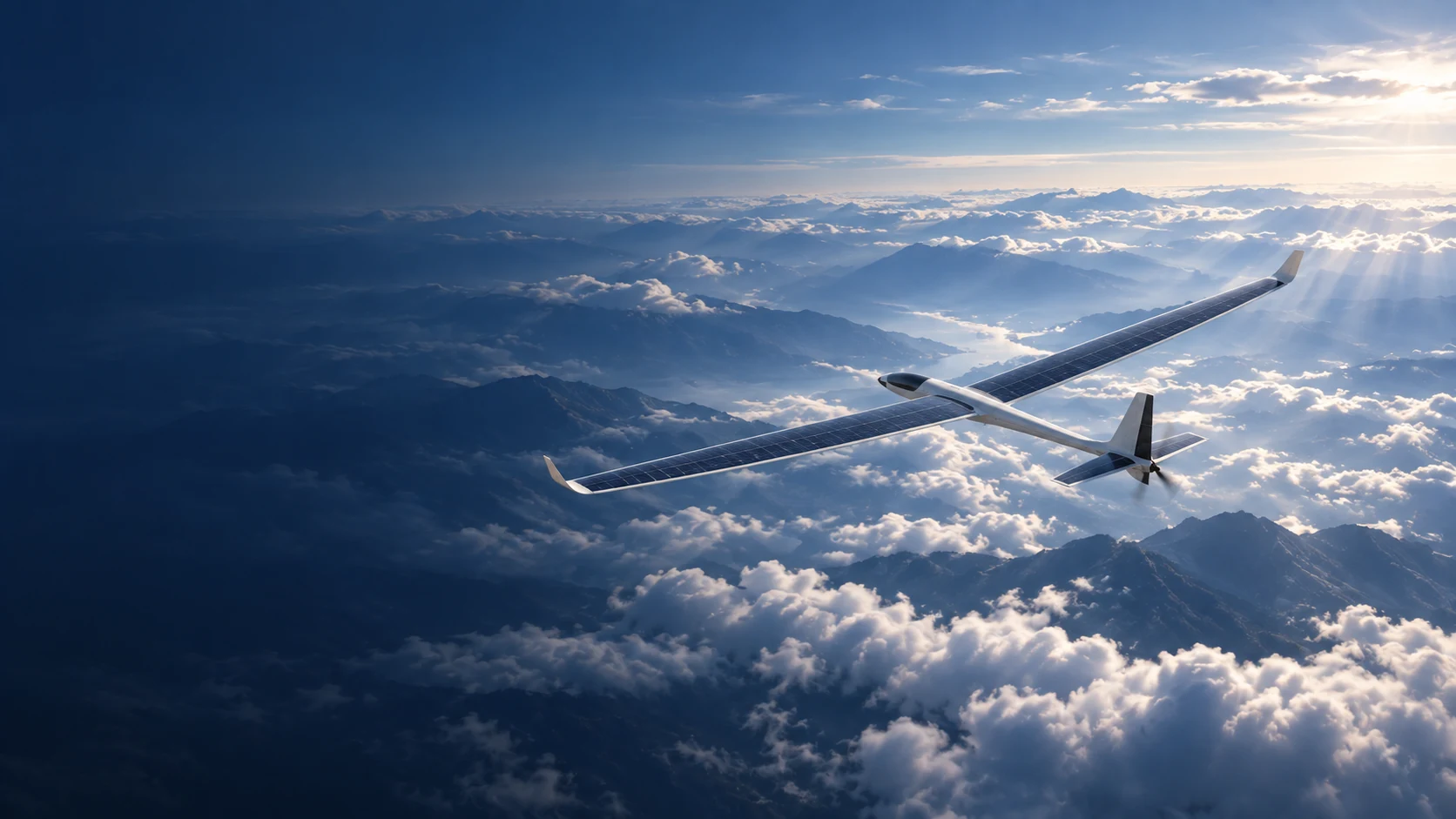
AI concept images · Not actual products or flight-test footage
Application directions
These are potential application directions. They do not imply that existing products have completed mission validation or are ready for deployment.
Mapping and inspection
Assess space for PV auxiliary power and supporting systems against the route, payload and aircraft platform.
Discuss mission requirements →Environmental observation
Study the balance of energy harvesting, storage and mission loads around sensors, observation periods and actual flight conditions.
Discuss an application →Research and prototype validation
Use samples, integrated prototypes and test plans to assess structural fit, electrical compatibility and performance in real environments.
Explore research and development →Integration approach
UAV PV applications require the aircraft and energy system to be designed together. Cell efficiency alone cannot establish aircraft endurance or mission capability.
Assess available area, added weight, surface geometry and mounting method.
Specify supporting systems around the controller, energy storage, mission loads and protection requirements.
Performance and suitability must be validated through project testing and actual flight conditions.
Start with the requirements
This page presents application concepts. The aircraft and wing integration shown are not UAV products released by HIKING PV. Existing module specifications do not establish suitability for UAV use. Each solution requires dedicated design and validation.